
 APR Finance Available
-


Makita DRT50ZJ 18V Brushless Cordless 3/8" & 1/4" Router (Body Only) with MakPac…
In Stock
Add to Basket€233.51€194.59 (ex.VAT) -


Makita DRT52Z 18V LXT 1/4" Brushless Router/Trimmer (Body Only)
In Stock
Add to Basket€143.50€119.58 (ex.VAT) -

Makita RP001GZ02 40V Max XGT Brushless 1/2'' Router with AWS System (Body Only)
In Stock
Add to Basket€393.95€328.28 (ex.VAT) -

-

-

-

Makita RT001GZ16 40V Max XGT Brushless 1/4" & 3/8" Router in a Makpac Case (Body…
In Stock
Add to Basket€460.82€384.02 (ex.VAT) -

Makita RT0702CX4/2 1/4" Electric Router Trimmer 240V 710W
In Stock
Add to Basket€179.44€149.53 (ex.VAT) -
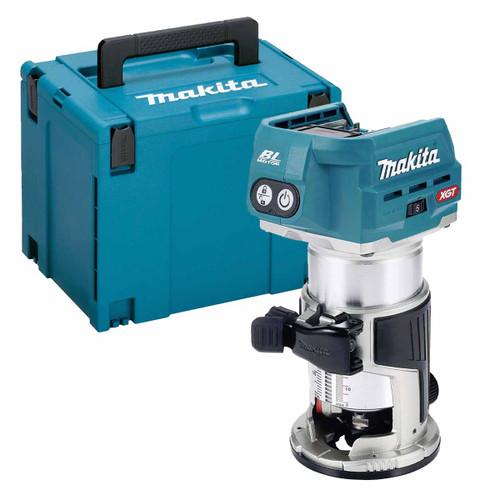
Makita RT001GZ20 40V Max XGT 1/4" & 3/8" Trimmer in a Makpac Type 4 Case (Body O…
In Stock
Add to Basket€285.40€237.83 (ex.VAT) -

Makita RT001GZ16 40V Max XGT 1/4" & 3/8" Trimmer with 2x 2.5Ah Batteries & 3x Tr…
In Stock
Add to Basket€760.98€634.15 (ex.VAT) -

Makita RP2303FC08/2 1/2" Plunge Router 2100W 240V with Makpac Case
In Stock
Add to Basket€460.96€384.13 (ex.VAT) -

-

Makita RP2303FC08/1 1/2" Plunge Router 2100W 110V with Makpac Case
In Stock
Add to Basket€485.22€404.35 (ex.VAT) -

Makita RT001GZ20 40V Max XGT 1/4" & 3/8" Trimmer with 2x 2.5Ah Batteries
In Stock
Add to Basket€615.24€512.70 (ex.VAT)
Makita Routers
Whether you're cutting grooves, trimming laminate or adding decorative edges to timber, a good router can make a big difference to your woodworking projects. At Toolden, we stock a wide range of Makita routers for professional carpenters, joiners and DIY enthusiasts. From compact cordless trimmers to powerful plunge routers, Makita offers reliable tools for everything from detailed finishing work to more demanding woodworking jobs.
Browse our selection of Makita routers and find the right tool for your next project. Shop today with free UK Mainland delivery on orders over £100 and interest free finance options available.
Key Features of Makita Routers
-
Precise Cutting and Shaping: Makita routers are designed for a range of woodworking tasks, including cutting grooves, creating decorative edges and trimming timber. With adjustable cutting depths and compatible router bits, you can work on everything from simple finishing jobs to more detailed joinery.
-
Corded and Cordless Options: Choose from powerful corded routers for regular workshop use or cordless models that offer more freedom to move around. Cordless Makita routers are particularly useful when working on site or in areas where access to mains power is limited. Selected models also feature brushless motors for improved efficiency and runtime.
-
Variable Speed Control: Many Makita routers have adjustable speed settings, allowing you to match the cutting speed to the material and router bit being used. This is particularly useful when switching between different types of timber or working with larger cutting bits that require lower speeds.
-
Comfortable Handling and Practical Features: Makita routers are built with features that make them easier to control, including ergonomic grips, smooth depth adjustment and stable base designs. Selected models also offer soft start, LED lighting and dust extraction connections to make everyday woodworking jobs more manageable.
Choosing the Right Makita Router
Makita offers several types of routers, each suited to different woodworking tasks. Whether you're trimming the edge of a worktop or cutting deeper grooves into timber, choosing the right type will make the job easier and help you get a better finish.
Makita Plunge Routers: Plunge routers are a popular choice for joinery and more demanding woodworking jobs. They allow you to lower the router bit into the material at a controlled depth, making them useful for cutting grooves, recesses and housings. Models such as the Makita RP2301FCX and RP1110C offer adjustable cutting depths and powerful motors, making them suitable for regular workshop and site use.
Makita Fixed-Base Routers: Fixed-base routers are useful for jobs where you need to maintain a consistent cutting depth, such as shaping timber edges and creating decorative profiles. Once the depth has been set, the base stays in position while you guide the router along the material. Compact models in the Makita RT0700 range can be used with suitable base attachments, giving you more flexibility for different woodworking applications.
Makita Cordless Routers: If you regularly work away from the workshop, cordless Makita routers offer the convenience of working without a power cable. The popular Makita DRT50 18V LXT brushless router is a good example, offering variable speed control and a compact design that's easy to handle. It's compatible with Makita 18V LXT batteries, making it a useful addition if you already own tools from the same cordless range.
Makita Laminate Trimmers: Laminate trimmers are smaller routers designed for detailed work, particularly trimming laminate, veneer and timber edges. Their compact size makes them easy to manoeuvre around worktops, cabinets and furniture. They're also useful for rounding over edges and creating smaller decorative profiles where a larger router might be awkward to use.
Makita Routers FAQs
What is a Makita router used for?
Makita routers are mainly used for cutting, shaping and finishing wood. Common jobs include creating grooves, cutting recesses for hinges, trimming laminate and adding decorative edges to furniture or worktops. With the right router bit, they can handle a variety of woodworking tasks, making them useful for carpenters, joiners and DIY enthusiasts.
What is the difference between a plunge router and a fixed-base router?
A plunge router allows you to lower the cutting bit into the material while the base stays flat against the surface. This makes it particularly useful for cutting grooves, recesses and other cuts that start within the workpiece. A fixed-base router has a cutting depth that stays locked in position during use, making it a good choice for edge profiling and trimming. Both types of Makita routers can produce accurate results, but the best option depends on the work you're doing.
Are Makita cordless routers as good as corded models?
Modern cordless Makita routers offer plenty of power for many everyday woodworking tasks. Models such as the DRT50 use brushless motor technology and variable speed control, making them useful for trimming, edge profiling and lighter routing work. Corded routers are often the better choice for longer working sessions or heavier cuts, particularly when using larger router bits. The best option depends on the type of work and whether you need the convenience of cordless operation.
Can I use my existing Makita batteries with a cordless router?
Yes, Makita 18V LXT cordless routers are compatible with batteries from the same 18V LXT platform. If you already own Makita cordless tools, purchasing a Body Only router can be a cost-effective way to add to your collection without buying another battery and charger. Just make sure the model you're buying uses the same battery system, as Makita's LXT and XGT ranges are not interchangeable.
What router bits can I use with a Makita router?
The router bits you can use depend on the collet size fitted to your machine. Many Makita routers accept common shank sizes such as 1/4" or 1/2", although this varies between models. Compact routers and laminate trimmers generally use smaller bits, while larger plunge routers may accept 1/2" shank bits for heavier work. Always check the collet size and the manufacturer's recommended bit specifications before purchasing.